"It’s My Fault, Isn’t It?" (part 2 of a series)
Difficult times happen. Illness, death, economic losses, acts of terrorism, acts of nature. Yesterday, I wrote about the common assumption that we (as individuals or as a culture) are to blame for these bad things.
Somehow, someway, we decide that it must be our fault. We have no idea how we could be to blame, but we’re certain we must be… Maybe God is punishing us, maybe it’s karma.
What makes this such a pervasive thought pattern? Whether on a grand scale or on a personal level, disasters are largely beyond our comprehension, and out of our control. Logically, rationally, they can’t be our fault.
And that’s the problem.
Disasters and tragedies are out of our control.
By looking for our fault or blame in contributing to negative events (whether real or imagined) we regain a sense of control over our lives, and over the world around us.
If we can believe we caused the problem, we can try to fix it, or at the least understand how to keep it from happening in the future.
- If I somehow *caused* those 100 mph winds by bad thoughts, then at least I am in control, it wasn’t random… and maybe I can learn to control my thoughts, and keep random winds from striking again.
- If I believe that I developed some rare disease because I didn’t pray hard enough…. it is my own fault, and I am in control. Not God, not bacteria, not chance. Me. I’m in control. I can pray harder, and maybe gain God’s forgiveness, but if not.. at least I was in control.
- If I can believe that Hurricane Katrina was God’s Punishment for wild lifestyles — then I can regain a sense of control and power by fighting against wild lifestyles in the culture.
- If I can believe that I’ve displeased an authority figure (God, a parent, a boss, a partner) and brought on their wrath, then they did not control this outcome, I did. If I show regret or punish myself, or take steps to keep it from happening again, they may relent and forgive me. (you see this with abused spouses and children, as well as among the devoutly religious)
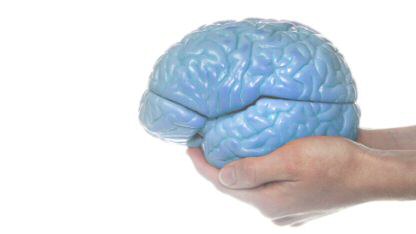
Our brains are wired to seek out patterns, to connect the dots, especially patterns of cause and effect — and we’re so tuned into patterns that our brain sees them even when they are not there.
If we don’t find such a pattern, our mind will *create* one, preferably one that makes sense to the most primitive levels of our brains, and most of all, one that restores a sense of control and order to our lives.
Later up this week? Part three… how to change thought patterns of self blame.
Part One: Why Am I Being Punished? What Did I Do Wrong?
MindTWEAK: Just because you see a pattern doesn’t make it real or meaningful.